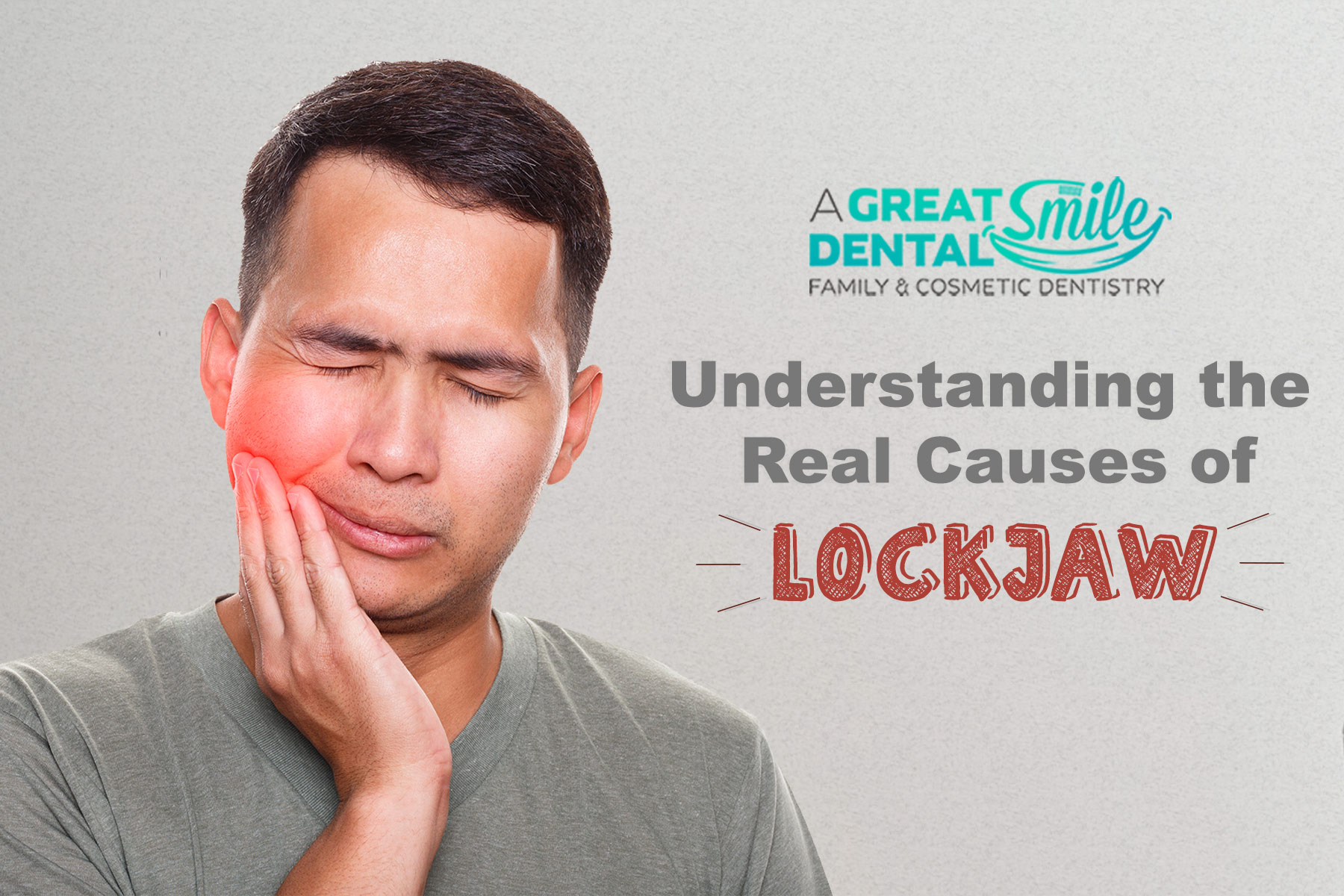
Struggling to Open Your Mouth? You’re Not Alone.
If you’ve recently woken up unable to open your mouth fully—or you’ve been dealing with limited jaw movement, clicking, or that unsettling “catching” sensation—you may be experiencing what many people simply call lockjaw. And while it can feel alarming, this condition is more common than you might think.
What’s Actually Happening When Your Jaw Gets Stuck
Lockjaw, medically known as trismus, refers to a restriction in jaw movement caused by muscle tightening, joint dysfunction, or a combination of both. Although historically linked with tetanus, most modern cases have nothing to do with infection. Instead, they stem from issues in the temporomandibular joints (TMJs)—the small but powerful joints that connect your jaw to your skull—and the surrounding muscles.
Your jaw works hard every day, from chewing and talking to yawning and expressing emotions. When this system becomes strained or irritated, a temporomandibular disorder (TMD) can develop, leading to stiffness, limited opening, pain, and clicking or popping noises. Some issues are muscle-based, such as spasms, tension, or tendonitis; others involve structural changes within the joint, such as disc displacement or early arthritis. Over time, these problems can significantly affect how your jaw moves and feels.
The Real Reasons Your Jaw May Be Locking Up
1. Trauma or Past Injuries
Accidents, falls, sports injuries, or even blows to the face can affect your jaw joint in subtle ways—sometimes taking months or years before symptoms appear.
2. Neck and Spine Issues
The jaw and neck share muscle and nerve connections, meaning long-standing neck pain or whiplash can trigger jaw tension and restricted motion.
3. Everyday Habits That Add Up
Chewing gum often, nail-biting, pen-chewing, daytime clenching, or holding your phone between your shoulder and ear can all overload your jaw over time.
4. Stress and Anxiety
Emotional stress commonly settles in the jaw muscles, creating an ongoing tension cycle that restricts movement.
5. Side Effects from Medications
Certain medications—including some prescribed for attention-related conditions—can increase jaw clenching and muscle tension.
6. Nighttime Teeth Grinding (Bruxism)
Grinding or clenching during sleep fatigues jaw muscles, leaving them stiff and limited the next day.

7. Medical and Dental Conditions
Arthritis, movement disorders, tumors, radiation therapy, dental infections, or complications after dental injections can all cause protective shortening or tightening of the jaw muscles.
How Lockjaw Affects Your Daily Life
Limited jaw opening can turn routine tasks into challenges: eating becomes difficult, speaking clearly feels harder, and oral hygiene becomes harder to maintain. Even yawning can be painful. Beyond the physical limitations, many people feel anxious, frustrated, or self-conscious—especially when symptoms flare up in social or professional situations.
How a Dentist Can Help You Recover from Lockjaw
A dentist trained in TMJ disorders can play a key role in diagnosing and treating lockjaw. They begin by evaluating your jaw movement, joint sounds, bite alignment, and muscle tension to pinpoint the cause of the limitation. Depending on your situation, treatment may include:
Jaw relaxation or stretching exercises designed to gradually restore movement.
Custom oral appliances or night guards to reduce clenching and protect the joint.
Anti-inflammatory medication or muscle relaxants to ease pain and spasms.
Targeted therapies, such as ultrasound, cold laser, or trigger-point treatments.
Bite adjustments when certain teeth or restorations are overloading the TMJ.
For more complex cases, your Las Vegas TMJ dentist may collaborate with physical therapists, oral surgeons, or medical specialists to address structural issues or underlying health conditions. Early intervention often leads to faster, more comfortable recovery—so seeking a professional evaluation is one of the most important steps you can take.